Year-End Financial Planning Checklist for Businesses

The end of the financial year is one of the most critical periods for any business. It is the time when you take stock of your financial performance, ensure compliance with tax regulations, and lay the groundwork for the year ahead. Yet many business owners treat year-end as a reactive scramble rather than a strategic opportunity.
This comprehensive year-end financial planning checklist will guide you through every essential step — from financial reconciliation to tax strategy — so you can close the year with confidence and start the next one ahead.
Phase 1: Financial Reconciliation and Review
Before you can plan for the future, you need a clear picture of where you stand today.
Reconcile All Bank and Credit Card Accounts
Ensure every transaction in your accounting system matches your bank and credit card statements. Unreconciled differences can hide errors, fraud, or missed deductions. This is the foundation of everything that follows.
Review Accounts Receivable and Accounts Payable
Chase overdue invoices and negotiate payment terms where needed. On the payable side, confirm all vendor invoices are booked and approved. Aging reports from your accounting system will show you exactly what is outstanding.
Conduct Inventory Valuation
If your business holds inventory, a physical count and valuation adjustment is critical. Obsolete or damaged stock should be written down. Accurate inventory valuation directly impacts your cost of goods sold and taxable income.
Phase 2: Tax Planning and Compliance
Year-end is the last chance to make tax-efficient decisions before the books close.
Review Tax Provisions and Estimates
Calculate your estimated tax liability for the year. If you have underpaid, consider making additional payments before the deadline to avoid penalties. If you have overpaid, adjust your planning for the following year.
Maximize Deductions Before Year-End
Certain expenses are more valuable when incurred before the year closes:
- Capital equipment purchases (Section 179 deductions)
- Retirement plan contributions
- Prepaid expenses and subscriptions
- Bonus payments to employees
- Charitable contributions
Gather Tax Documents
Collect W-2s, 1099s, receipt summaries, and prior-year returns early. Organizing these documents before the filing season starts reduces stress and ensures nothing is missed.
Phase 3: Financial Statement Preparation
Clean financial statements are essential for stakeholders, lenders, and regulators.
Prepare Income Statement (Profit & Loss)
Review revenue, cost of goods sold, and operating expenses. Compare actuals against budget and prior year. Identify variances and understand the drivers behind them.
Finalize the Balance Sheet
Ensure all assets, liabilities, and equity accounts are accurate. Bank reconciliations, loan statements, and intercompany accounts must agree with supporting documentation.
Review Cash Flow Statement
Cash flow tells the real story of your business health. Analyse operating, investing, and financing activities. If cash flow is tight, identify the causes and build a plan to improve liquidity in the coming year.
Phase 4: Strategic Planning for the New Year
Year-end is not just about closing books — it is about opening the next chapter with clarity.
Set Financial Goals and Budgets
Based on your year-end review, set realistic revenue targets, expense budgets, and profit margin goals for the upcoming year. Build a cash flow forecast for the first quarter.
Review Business Structure and Compliance
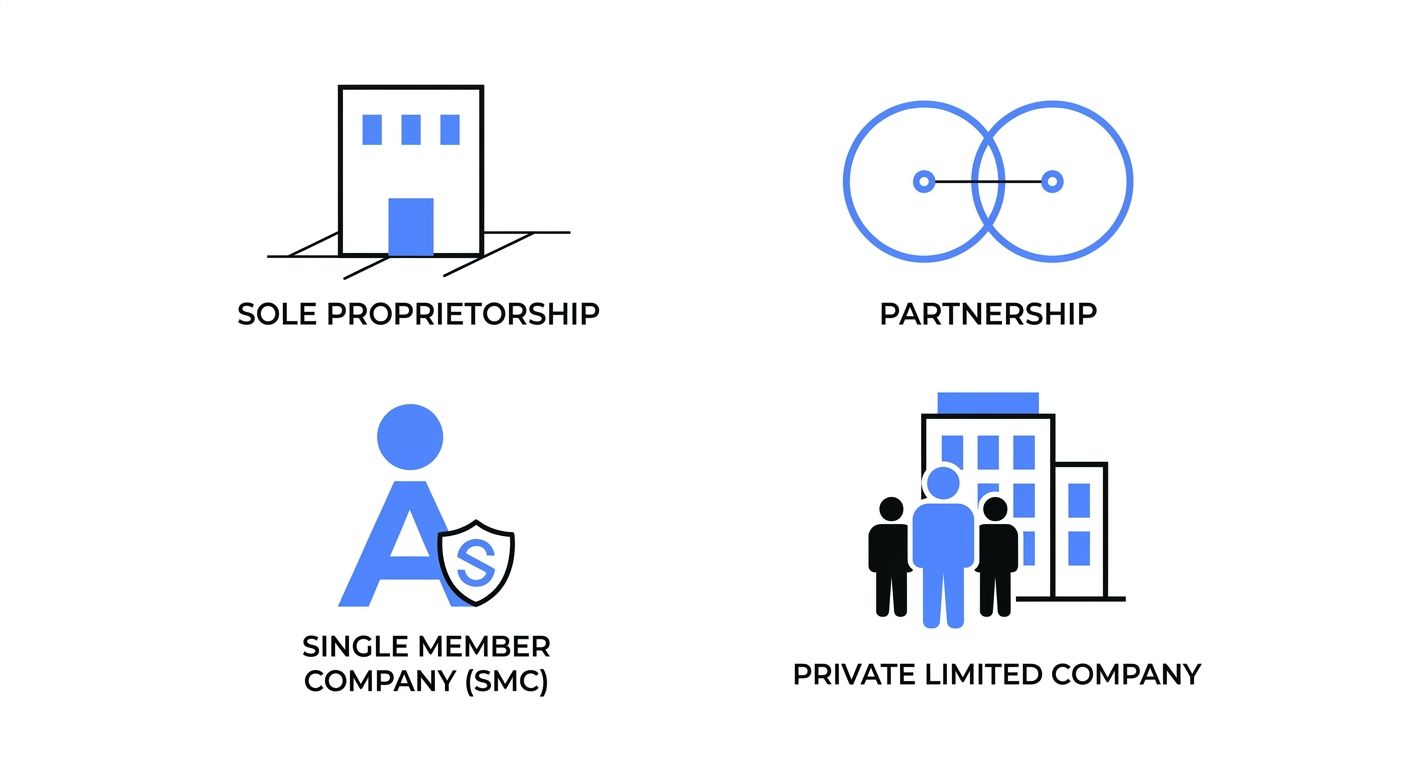
Has your business outgrown its current structure? Year-end is an ideal time to assess whether a sole proprietorship should become a private limited company, or whether your corporate governance needs updating.
Plan for Major Investments
Whether it is new equipment, technology upgrades, or team expansion, planning major investments early gives you time to evaluate financing options and tax implications.
How Uzair Khalid & Co Can Help
Our team provides year-end financial close support, tax planning and compliance, IFRS-compliant financial statement preparation, and strategic FP&A advisory. We help you close the year accurately and start the next one with a clear financial roadmap.
Contact us to discuss your year-end planning needs.